
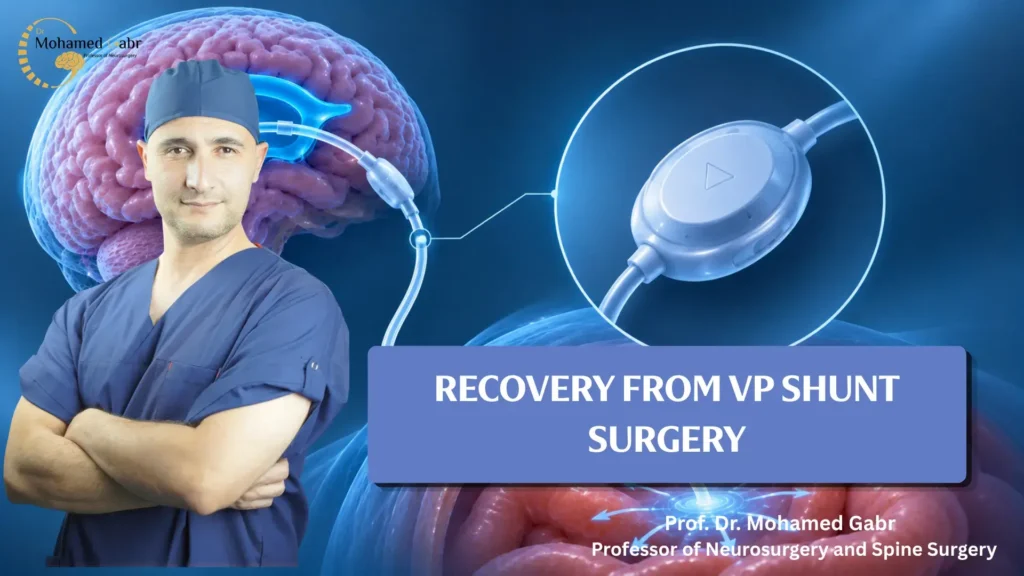
Recovery from VP shunt surgery depends on wound healing, appropriate cerebrospinal fluid drainage, and careful postoperative monitoring.
Understanding recovery milestones, home-care instructions, and warning signs helps patients and families recognize complications before serious problems develop.
What a VP shunt actually does inside the body
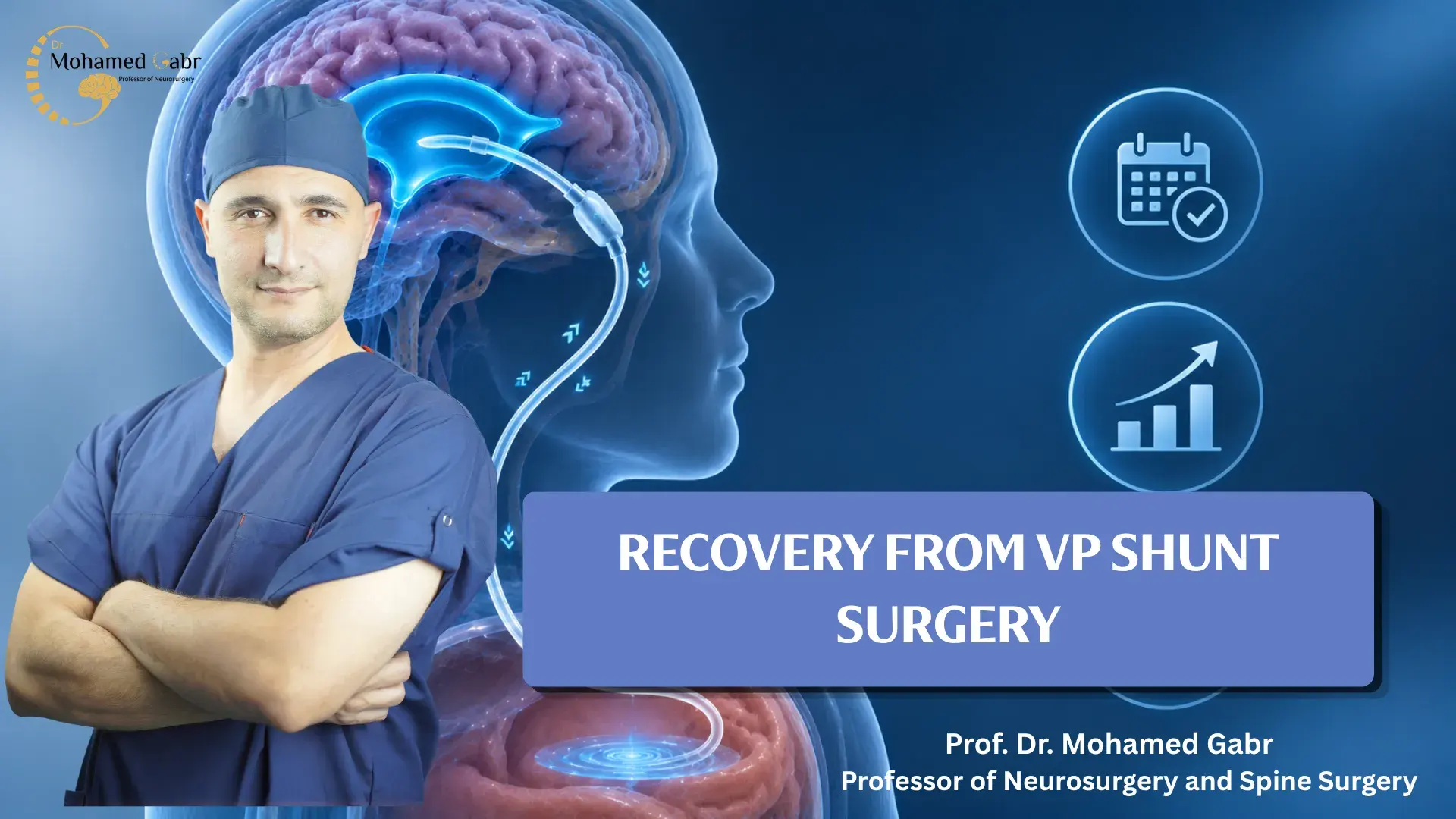
A ventriculoperitoneal (VP) shunt treats hydrocephalus by diverting excess cerebrospinal fluid (CSF) from the brain into the abdominal cavity.
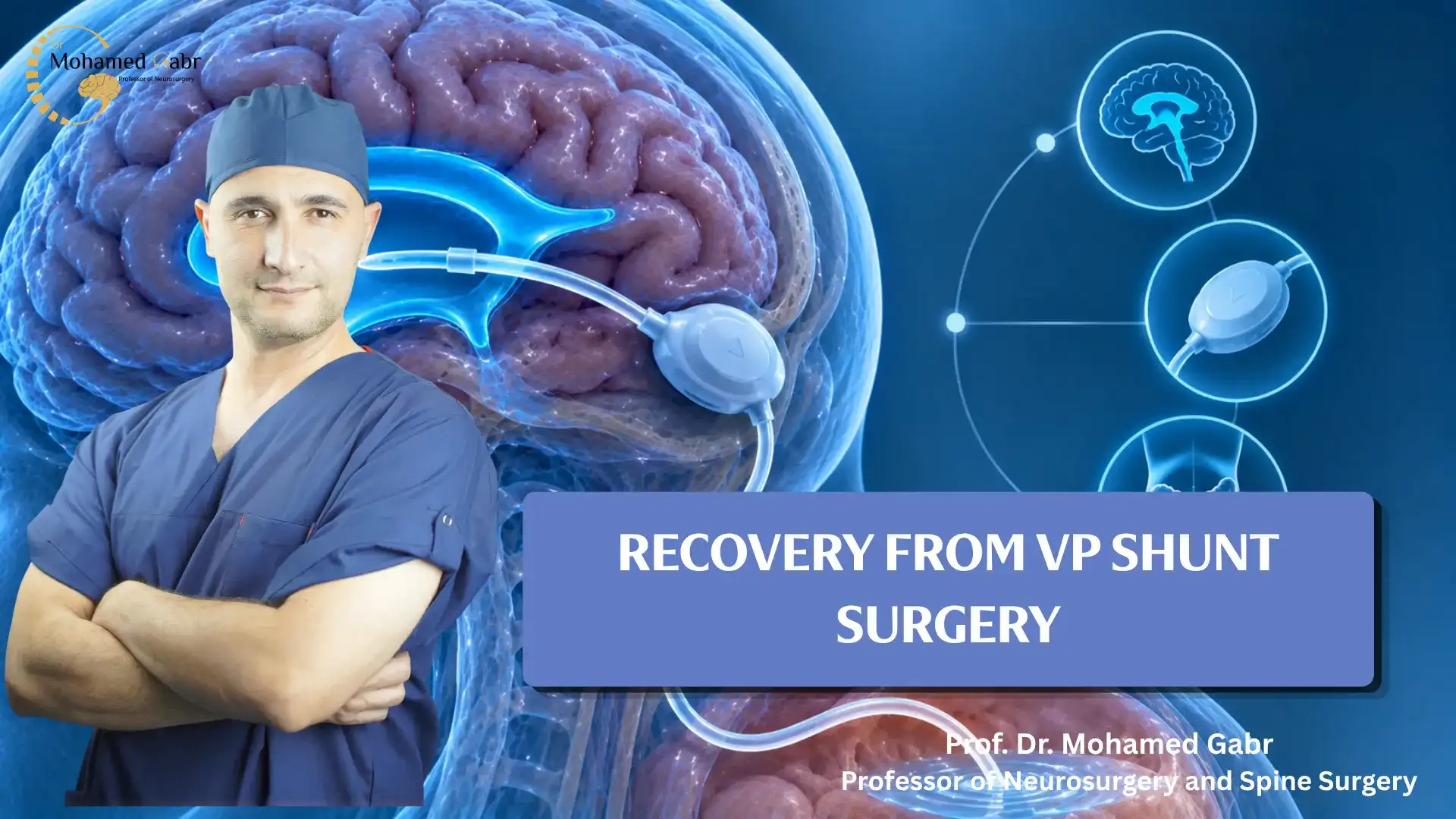
The system contains a ventricular catheter, a pressure-regulating valve, and abdominal tubing that carries fluid toward the peritoneal cavity.
The peritoneal lining absorbs diverted cerebrospinal fluid, allowing the body to process and remove the excess fluid naturally.
How long does VP shunt surgery take, and what happens in the operating room
VP shunt placement commonly takes approximately one hour, although surgical duration varies with individual anatomy and procedural complexity.
Under general anesthesia, the neurosurgeon creates a small opening in the skull and positions the ventricular catheter.
The tubing passes beneath the skin toward the abdomen, where its distal end drains cerebrospinal fluid into the peritoneal cavity.
What is recovery from vp shunt surgery?
Recovery involves monitoring neurological function, managing discomfort, protecting surgical incisions, and confirming appropriate shunt function after surgery.
Immediate Post-Op Care in the Hospital
During the first 24–48 hours, medical staff monitor consciousness, vital signs, neurological function, and possible postoperative complications.
Doctors may request CT imaging when clinically indicated to assess catheter placement and identify relevant postoperative changes.
Hospital discharge depends on neurological stability, wound condition, mobility, and the patient’s underlying medical circumstances after surgery.
How long should it take for me to get over my surgery?
Recovery varies according to age, general health, hydrocephalus severity, and neurological problems present before the operation itself.
The following timeline provides general guidance; individual progress differs, and the treating surgeon’s instructions always take priority.
- First week: Fatigue, mild discomfort, and incision tenderness may occur; short walks and adequate rest can support gradual recovery.
- Second week: Incisions continue healing, while follow-up appointments allow clinicians to assess wounds and review any new neurological symptoms.
- Weeks three and four: Some patients gradually resume routine activities, depending on medical clearance and their individual recovery progress after surgery.
- Weeks five and six: Broader activities may become possible, although strenuous exercise and heavy lifting still require specific approval from the treating neurosurgeon.
VP Shunt Surgery Recovery Timeline at a Glance
| Recovery Period | Expected Progress | Recommended Activities |
| First week | Fatigue, mild discomfort, and incision tenderness may occur. | Rest and take short walks as advised by the surgeon. |
| Second week | Incisions continue healing, and postoperative follow-up helps assess recovery. | Attend follow-up appointments and monitor any new symptoms. |
| Weeks three and four | Some patients may gradually resume selected daily activities. | Increase activity only after receiving medical clearance. |
| Weeks five and six | Broader activities may become possible as recovery progresses. | Avoid strenuous exercise and heavy lifting without surgical approval. |
| Beyond six weeks | Recovery may continue at different rates depending on individual circumstances. | Resume demanding activities only after receiving clearance from the treating neurosurgeon. |
This timeline is a general guide; recovery varies by individual, and some patients need more than six weeks before resuming demanding activities.
Neurological improvement may take longer than incision healing, particularly in patients with longstanding mobility problems.
VP shunt after care in the first two weeks at home
Planning recovery from vp shunt surgery at home requires following discharge instructions and reporting new symptoms promptly.
Consistent aftercare supports healing and helps families identify complications; individual discharge instructions should always take priority over general advice.
Read also: brain haemorrhage therapies
Incision Care, Bathing Rules, and Sleeping Positions
Keep surgical incisions clean and follow the surgeon’s specific instructions regarding dressings, showering, and hair washing after discharge.
Showering instructions depend on dressing type, wound closure, and discharge plan; ask when your specific incision can get wet.
Avoid swimming, soaking wounds, or applying creams until the surgeon confirms that the incisions have healed sufficiently.
Avoid pressing, manipulating, or repeatedly touching the implanted valve or tubing beneath the skin throughout the recovery period.
Choose a comfortable sleeping position that avoids unnecessary pressure on tender incisions, unless your surgical team advises otherwise.
Read also: cavernous malformation in brain
Activity Restrictions, Driving, and Returning to Work or School
Gentle walking encourages mobility, but strenuous exercise, contact sports, and heavy lifting should wait for medical clearance.
Driving should resume only after medical approval and when sedating pain medications are no longer necessary for safety.
Returning to usual routines during recovery from vp shunt surgery should follow the surgeon’s individualized recommendations and restrictions.
Returning to work or school depends on energy levels, concentration, physical demands, and the patient’s postoperative progress.
Children may need individualized guidance before resuming physical education, playground activities, or contact sports after their operation.
If your hospital provides a shunt identification card, carry it and show healthcare professionals before medical procedures.
Read also: treatment for brain bleed in elderly
Warning Signs After VP Shunt Surgery
Recognizing complications early is essential because shunt infection or malfunction can cause dangerous increases in intracranial pressure.
Contact the neurosurgical team promptly if persistent headaches, repeated vomiting, unusual drowsiness, or new balance problems develop.
Seek urgent medical assessment for fever, neck stiffness, or increasing redness, swelling, warmth, or tenderness around incisions.
Report wound discharge or new tenderness, redness, or swelling along the shunt pathway beneath the skin without delay.
Abdominal pain or tenderness can indicate infection involving the abdominal end of a VP shunt and requires prompt assessment.
New visual disturbances, confusion, or difficulty walking require urgent medical assessment, particularly when symptoms are sudden or worsening.
Seek emergency medical care immediately for seizures, reduced consciousness, severe or rapidly worsening headaches, or repeated vomiting accompanied by neurological deterioration. Do not wait for a routine appointment or a callback from the neurosurgical team.
Read also: causes of cerebrospinal fluid leak
Living Long-Term with a VP Shunt: The Advantage of Programmable Valves
Programmable valves allow neurosurgeons to adjust drainage-pressure settings externally using specialized equipment designed for the specific valve.
Adjustments may help address underdrainage or overdrainage when clinically appropriate, but cannot resolve every possible shunt malfunction.
A programmable valve is not automatically better for every patient; valve selection depends on hydrocephalus type and clinical assessment.
Some programmable valves may be affected by magnets or MRI scanners, depending on their specific model and manufacturer guidance.
Before MRI, patients should inform imaging staff about their shunt and confirm whether post-scan setting checks are necessary.
For certain models, clinicians may need to verify the valve setting after MRI; requirements vary by manufacturer.
Regular neurosurgical follow-up remains important because blockage, infection, and mechanical problems can occur long after initial shunt implantation.
Why Choose Dr. Mohamed Gabr for VP Shunt Surgery and Hydrocephalus Care?
Prof. Dr. Mohamed Gabr is a Professor of Neurosurgery and Spine Surgery at Kasr Al Ainy Faculty of Medicine, Cairo University.
He is also a pediatric tumor surgery specialist at Abu El Reesh University Children’s Hospital in Cairo.
A Kasr Al Ainy graduate with honors and excellent distinction, he completed postgraduate studies and earned his neurosurgery doctorate.
His international training includes Barrow Neurological Institute in the United States and Augsburg Hospital in Germany.
His training included participation in more than 1,000 microsurgical procedures involving cerebrovascular conditions.
He is a member of the Congress of Neurological Surgeons (CNS), with experience that includes Cerebrovascular Surgery.
For hydrocephalus patients, his approach may incorporate advanced surgical technologies and individualized treatment planning when clinically appropriate.
- Navigation-Guided Placement: 3D neuronavigation and neuro-endoscopy can support anatomical planning and ventricular catheter positioning during selected procedures.
- Programmable Shunt Valves: Adjustable drainage settings may help personalize cerebrospinal fluid management when clinically appropriate for individual patients.
- Comprehensive Aftercare and ETV Assessment: Selected patients may be evaluated for Endoscopic Third Ventriculostomy instead of permanent shunt placement.
His clinics serve patients in El Manial and Fifth Settlement, Cairo, according to the supplied professional information.
FAQ About Recovery From VP Shunt Surgery
These FAQs about recovery from VP shunt surgery address common questions about healing, activity restrictions, follow-up care, and warning signs after the procedure.
Can patients live a normal life with a VP shunt?
Many patients return to school, work, and everyday activities after recovery, although regular medical monitoring remains important throughout life.
Is headache normal after VP shunt surgery?
Mild postoperative discomfort can occur, but persistent, severe, or worsening headaches require prompt assessment by a qualified clinician.
Can a VP shunt stop working years after surgery?
Blockage, infection, disconnection, or mechanical failure can develop months or even years after the initial shunt implantation.
Does every hydrocephalus patient need a permanent VP shunt?
Selected patients may qualify for Endoscopic Third Ventriculostomy, depending on hydrocephalus type and individual ventricular anatomy and clinical findings.
Conclusion
Recovery from VP shunt surgery requires appropriate wound care, gradual activity, scheduled follow-up, and awareness of possible complications affecting the shunt system.
Ultimately, recovery from VP shunt surgery is individualized, and continued neurosurgical monitoring helps maintain safe cerebrospinal fluid drainage.
Sources
- Memorial Sloan Kettering Cancer Center – About Your Ventriculoperitoneal (VP) Shunt Surgery
- NHS – Hydrocephalus: Complications
- FDA – Information for Patients and Caregivers about Magnetic Field Interference
- Johns Hopkins Medicine – Shunt Procedure
- Infectious Diseases Society of America – Healthcare-Associated Ventriculitis and Meningitis Guidelines
- NHS – Hydrocephalus: Treatment