
Causes of cerebrospinal fluid leak vary depending on trauma, previous procedures, anatomical defects, and conditions affecting the protective dura.
Additionally, identifying the underlying cause helps specialists select appropriate diagnostic tests and treatments while assessing potential complications.
Therefore, accurate diagnosis supports individualized management and follow-up to monitor recovery and detect possible recurrence.
What Is a CSF Leak and Why Does the Dura Tear?
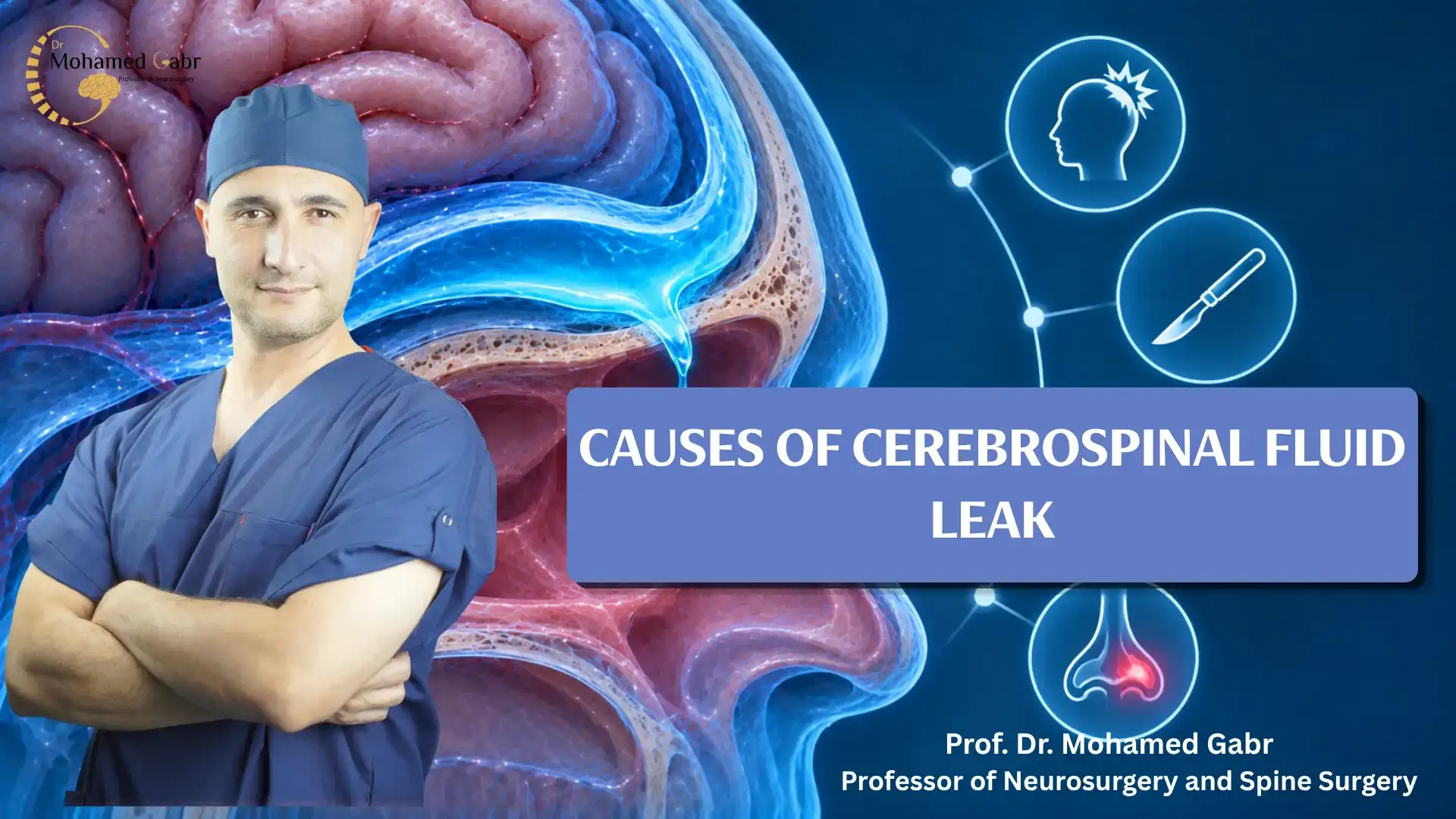
Cerebrospinal fluid surrounds the brain and spinal cord, cushioning these structures while the dura helps contain the fluid.
A cerebrospinal fluid leak occurs when a defect allows fluid to escape from its normal protective compartment.
Depending on its location, leakage may cause positional headaches, clear nasal drainage, ear drainage, or other neurological symptoms.
Symptoms alone cannot confirm a leak, so suspected cases require medical assessment and testing selected according to clinical findings.
The 3 Main causes of cerebrospinal fluid leak
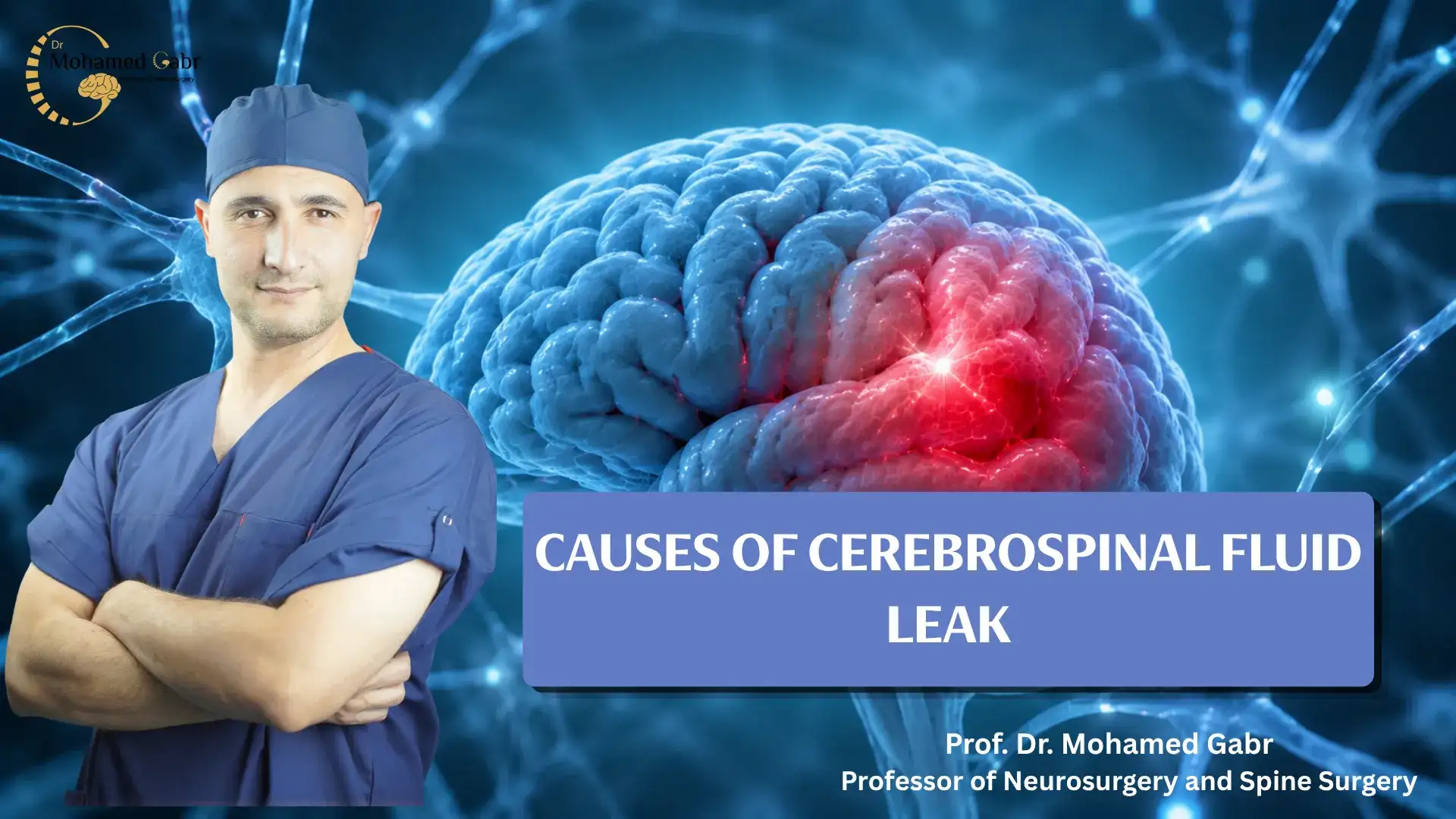
The three broad categories are traumatic, iatrogenic, and spontaneous leaks, although individual patients may have overlapping contributing factors.
Traumatic: Caused as a result of an injury
Head trauma can fracture the skull base or damage spinal structures, creating an opening through which cerebrospinal fluid escapes.
Severe injuries require urgent assessment, especially when fluid drainage accompanies confusion, worsening headache, vomiting, or new neurological symptoms.
Iatrogenic: Caused by a medical procedure
Surgery involving the sinuses, skull base, brain, or spine can unintentionally damage the dura and create a persistent leak.
Lumbar punctures, spinal injections, and epidural procedures may also cause dural openings, although many related headaches improve with appropriate care.
Persistent symptoms following a procedure should be assessed promptly to determine whether leakage exists and whether additional treatment is necessary.
Spontaneous: Occurring with minimal or no clear precipitant
Spontaneous leaks develop without an obvious recent injury or procedure and may involve dural weakness or underlying anatomical abnormalities.
Some cranial leaks are associated with raised intracranial pressure, while connective tissue disorders may contribute to vulnerability in selected patients.
However, elevated pressure does not explain every spontaneous leak, and clinicians must investigate the suspected mechanism before choosing treatment.
What causes a cranial CSF leak?
Cranial cerebrospinal fluid leaks may occur when skull base defects create a connection between the intracranial space and the nasal cavities or paranasal sinuses.
Additionally, possible causes include fractures, previous operations, congenital defects, and selected lesions that damage or weaken surrounding skull base structures.
For example, some patients notice persistent, watery drainage from one nostril, sometimes accompanied by a salty taste or postnasal fluid.
However, these symptoms are not diagnostic because allergies and other nasal conditions can produce similar drainage and sensations.
To confirm the diagnosis, clinicians may test fluid for beta-2 transferrin and use appropriate imaging to locate defects.
Therefore, a confirmed cranial leak needs timely specialist assessment because communication with the nasal cavity can increase the risk of meningitis.
What causes a spinal CSF leak?
Spinal leaks occur when cerebrospinal fluid escapes through a defect in the dura surrounding the spinal cord and nerve roots.
Common causes include procedures, dural tears, meningeal diverticula, disc-related injuries, bone spurs, and cerebrospinal fluid venous fistulas.
In addition, patients may experience headaches that worsen when upright and improve when lying down, although symptoms vary between individuals.
When routine examinations are inconclusive, magnetic resonance imaging and specialized myelography may help locate spinal leaks.
Causes of Spinal CSF Leak: Key Points
Bone spurs and herniated discs can cause spinal CSF leaks by damaging the dura in selected cases.
Similarly, lumbar punctures can cause spinal fluid leakage, but clinicians assess symptom severity, duration, and examination findings before recommending treatment.
In some cases, a cerebrospinal fluid venous fistula allows fluid to enter a vein without producing a visible extradural fluid collection.
Consequently, specialized imaging helps distinguish these mechanisms, enabling clinicians to plan targeted treatment rather than relying on symptoms alone.
Read also: csf nasal leak symptoms
Why Identifying the Exact Cause Is Critical Before Repair
Determining the cause and precise location helps surgeons choose suitable repair techniques and identify contributing conditions requiring separate management.
However, repairing a visible defect may not address every underlying problem, so follow-up should assess persistent symptoms and possible recurrence.
For cranial leaks, clinicians may investigate elevated intracranial pressure; meanwhile, spinal leaks require evaluation for structural defects or venous fistulas.
Nevertheless, no repair technique guarantees permanent closure, and treatment decisions must account for the patient’s anatomy, health, and diagnostic findings.
Read also: brain haemorrhage therapies
Management of Surgery-Related CSF Leaks & Spontaneous Tears
Treatment depends on the leak’s location, cause, severity, duration, and response to previous management.
Depending on these factors, some patients need observation and supportive treatment, while persistent leaks or high-risk structural defects may require an intervention.
Importantly, fever, neck stiffness, confusion, or new neurological symptoms alongside suspected leakage require urgent medical evaluation.
Read also: cavernous malformation in brain
Scarless Endoscopic Endonasal Repair
For suitable skull base defects, surgeons may use endoscopic instruments through the nostrils to access and reconstruct the leaking area.
As a result, this approach often avoids an external facial incision, although suitability depends on defect location, size, anatomy, and previous treatment.
During reconstruction, surgeons may use layered graft materials, followed by clinical assessment to evaluate healing and investigate persistent symptoms.
Read also: treatment for brain bleed in elderly
Microsurgical Spine Repair & Targeted Epidural Blood Patches
For selected spinal leaks, an epidural blood patch introduces blood into the epidural space to help seal the suspected leak.
Alternatively, targeted patches or microsurgical repair may be considered when investigations identify a persistent leak or a specific structural cause.
Ultimately, treatment plans should be individualized because some patients require additional procedures, further imaging, or management of contributing conditions.
Why Choose Dr. Mohamed Gabr for Complex CSF Leak Repair?
Prof. Dr. Mohamed Gabr graduated with honors from Cairo University’s Kasr Al Ainy Faculty of Medicine and earned his neurosurgery doctorate.
Additionally, he received specialized training at Barrow Neurological Institute in the United States and Augsburg Hospital in Germany in advanced neurosurgical techniques.
Permanently sealing a CSF leak requires more than simply patching a tear—it demands identifying and treating the underlying causes of cerebrospinal fluid leak so the repair never breaks down.
With this principle in mind, Dr. Mohamed Gabr brings specialized expertise in both endoscopic skull base reconstruction and microsurgical spine repair, delivering definitive cures for complex leaks through:
- Expert Management of Surgery-Related CSF Leaks (Iatrogenic Tears): Utilizing high-definition endoscopic endonasal techniques and microsurgery to safely seal complicated dural defects following previous sinus, skull base, or spinal procedures without visible external scars.
- Addressing the Root Cause of Spontaneous Leaks: Because spontaneous leaks are frequently driven by underlying intracranial hypertension, Dr. Mohamed Gabr combines multilayered watertight reconstruction with targeted pressure management—preventing the leak from recurring at the same or a new site.
- Precision Repair for Traumatic Cranial & Spinal Defects: Employing advanced localization imaging and 3D Neuronavigation to pinpoint bone spurs, skull base fractures, or disc micro-spurs, removing the mechanical cause of the tear and restoring complete dural integrity.
FAQ: Causes of Cerebrospinal Fluid Leak
This FAQ about causes of cerebrospinal fluid leak explains common triggers, warning signs, diagnostic tests, and available treatment options.
Can a CSF leak heal without surgery?
In some cases, leaks improve with conservative management, but persistent symptoms or concerning defects require assessment to determine the safest treatment.
Does clear nasal drainage always indicate a CSF leak?
No, nasal drainage has several possible causes, and laboratory testing or imaging may be needed when clinicians suspect leakage.
Can a CSF leak return after treatment?
Yes, leakage can recur, depending on the underlying cause, defect location, treatment response, and associated conditions requiring further management.
Which symptoms require urgent medical attention?
For safety, seek urgent assessment for suspected leakage accompanied by fever, neck stiffness, confusion, severe headache, or new neurological symptoms.
Conclusion
Understanding causes of cerebrospinal fluid leak helps patients discuss appropriate diagnostic testing, treatment options, and follow-up care with qualified specialists.
Accurate localization and evaluation of contributing conditions help specialists develop individualized treatment plans based on each patient’s clinical findings.
Regular follow-up helps monitor recovery and detect recurrence, although no treatment can guarantee permanent closure or prevent every future leak.
Sources
- https://www.mayoclinic.org/diseases-conditions/csf-leak/symptoms-causes/syc-20522246
- https://my.clevelandclinic.org/health/diseases/16854-cerebrospinal-fluid-csf-leak
- https://csfleak.uk/resource/causes-of-csf-leak
- https://spinalcsfleak.org/about-spinal-csf-leaks/causes-of-spinal-csf-leak/
- https://www.pacificneuroscienceinstitute.org/patient-care/conditions/cerebrospinal-fluid-leak/