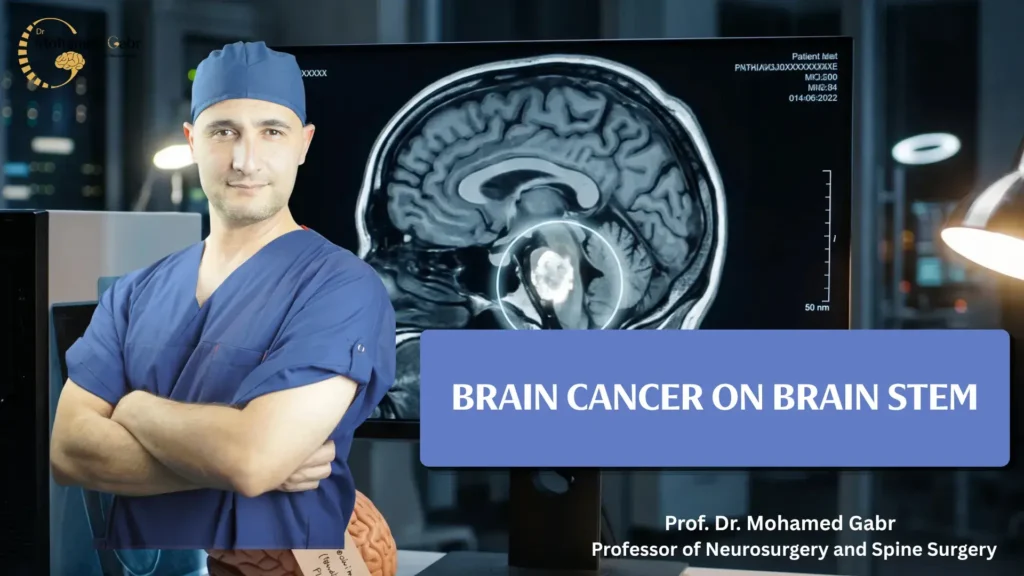
Brain Cancer on the Brain Stem may affect breathing, swallowing, balance, vision, and movement, depending on tumor location and growth.
However, treatment depends on tumor type, precise location, molecular findings, symptoms, and effects on essential neurological functions.
Therefore, accurate diagnosis helps specialists identify appropriate treatment options while carefully considering potential neurological risks and individual circumstances.
What is Brain Cancer on the Brain Stem?
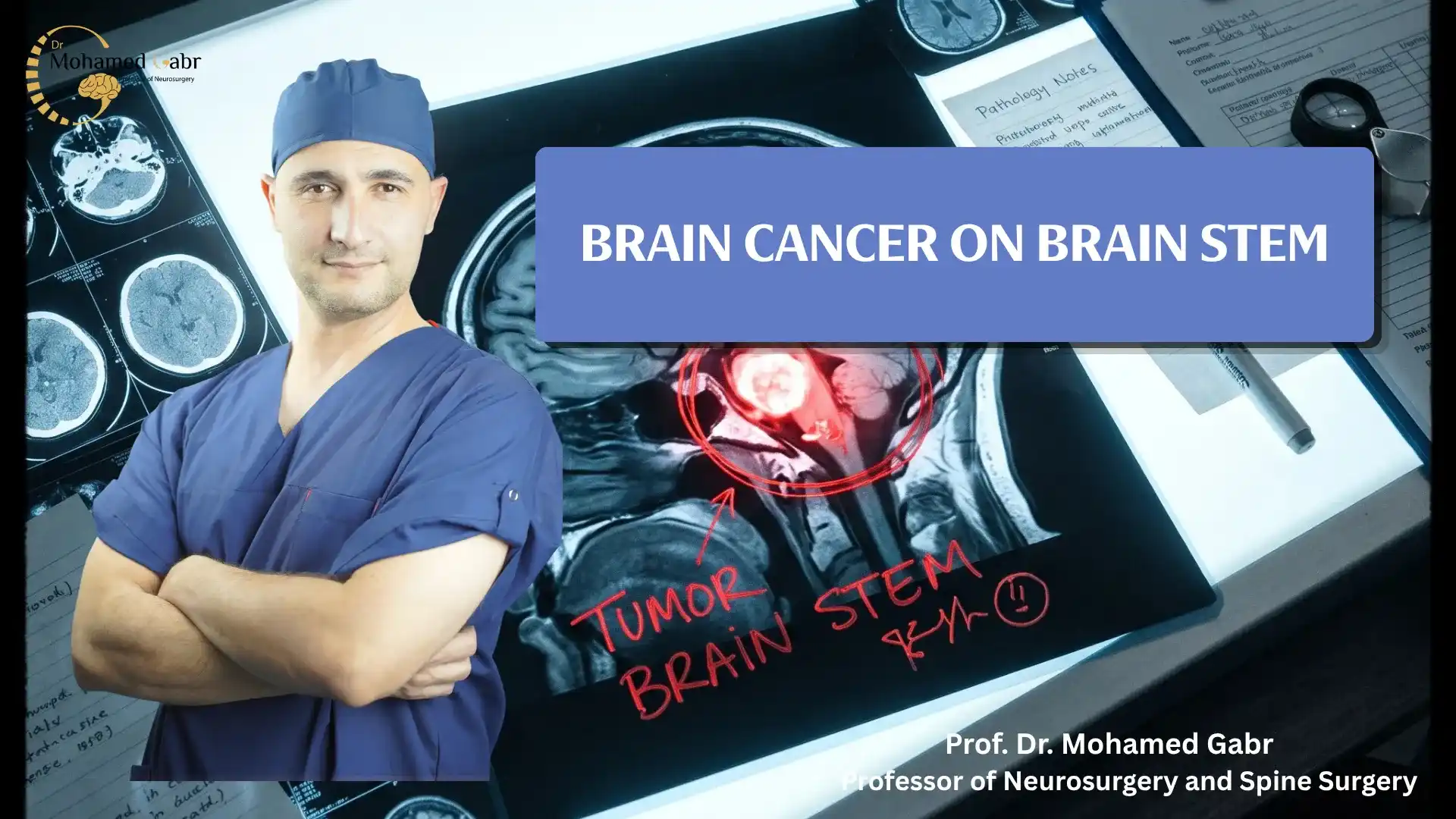
Brainstem tumors develop in the midbrain, pons, or medulla and include gliomas, other tumors, and noncancerous growths.
To establish the diagnosis, specialists use magnetic resonance imaging and sometimes tissue testing to guide appropriate treatment decisions.
In other words, brainstem describes the tumor’s location, while its classification depends on biological characteristics and diagnostic findings.
What Does the Brain Stem Do and Why is it Critical?
The brainstem connects the brain with the spinal cord and supports breathing, heart rate, swallowing, eye movements, and alertness.
Because these functions are essential for survival, tumors affecting this region require careful assessment and individualized treatment planning.
For this reason, specialists evaluate nearby neurological pathways before recommending an intervention that could affect essential functions.
How Common is Brainstem Glioma in Children and Adults?
Brainstem gliomas occur in children and adults, although diffuse pontine tumors are particularly associated with childhood.
In adults, brainstem tumors have varied characteristics; therefore, age alone cannot establish a diagnosis or predict individual outcomes.
Moreover, research describes adult brainstem gliomas as a heterogeneous group with different imaging patterns, biological characteristics, and clinical outcomes.
Types of Brain Cancer on the Brain Stem
Brainstem tumors differ in location, growth pattern, and biological behavior, which consequently influence treatment choices and surgical suitability.
Focal and Exophytic Brainstem Gliomas (Surgically Treatable)
Focal or exophytic gliomas may be accessible in selected cases; however, surgery can still damage nearby neurological pathways.
Therefore, specialists assess tumor boundaries, anatomical location, functional relationships, and potential benefits before recommending surgery.
Diffuse Intrinsic Pontine Glioma (DIPG)
Diffuse intrinsic pontine glioma (DIPG) is an aggressive tumor that develops within the pons and primarily affects children.
Additionally, some tumors historically called DIPG are classified as diffuse midline glioma, H3 K27-altered, following appropriate diagnostic assessment.
Unlike selected focal tumors, diffuse pontine tumors infiltrate critical tissue, making complete surgical removal generally unsuitable.
Symptoms of Brain Cancer on the Brain Stem
Symptoms vary by tumor location and may include double vision, facial weakness, swallowing difficulties, speech changes, or limb weakness.
Additionally, some patients develop balance problems, headaches, nausea, or vomiting when tumors obstruct cerebrospinal fluid circulation.
Nevertheless, these symptoms have other possible causes, so clinical assessment is necessary to identify their underlying explanation.
Double Vision, Facial Weakness and Swallowing Difficulties
Tumors may affect cranial nerves controlling eye movements, facial muscles, speech, and swallowing, thereby disrupting everyday activities.
As a result, swallowing problems may increase choking risks, while new or worsening neurological symptoms require prompt medical assessment.
Balance Problems, Motor Weakness and Hydrocephalus Symptoms
In some patients, blocked cerebrospinal fluid circulation causes hydrocephalus and increased pressure inside the skull.
Consequently, severe headaches, repeated vomiting, unusual drowsiness, or rapidly worsening neurological symptoms require urgent medical attention.
Read also: pineal gland adenoma
How is a Brainstem Tumor Diagnosed?
MRI helps specialists assess tumor location, size, and relationships with nearby brainstem structures and important neurological pathways.
Additionally, diffusion tensor imaging tractography may help specialists evaluate white matter pathways during selected surgical planning assessments.
However, tractography cannot guarantee that surgeons will avoid neurological complications during or after an operation.
When necessary, specialists may recommend biopsy if tissue analysis could clarify diagnosis or influence subsequent treatment decisions.
Furthermore, molecular testing can help classify certain tumors more precisely when suitable tissue is available.
Read also: adenoma of the brain
Treatment Options for Brainstem Glioma
Treatment depends on tumor classification, molecular findings, symptoms, overall health, and the potential benefits and risks of available options.
Depending on these findings, specialists may consider surgery, biopsy, radiation therapy, systemic medicines, hydrocephalus treatment, or supportive care.
Therefore, treatment decisions should reflect individual clinical circumstances because patients do not all require the same approach.
Microsurgical Tumor Resection (Via Safe Entry Zones)
For selected focal tumors, microsurgery may remove accessible tissue while surgeons carefully assess nearby structures and neurological pathways.
Nevertheless, surgical entry zones and navigation cannot eliminate risks to breathing, swallowing, movement, or other essential functions.
Before proceeding, the surgical team evaluates tumor anatomy, likely benefits, possible complications, and available alternatives.
Read also: acoustic neuromas schwannomas symptoms
Stereotactic Biopsy and Endoscopic Hydrocephalus Management
Stereotactic biopsy collects tumor tissue when specialists determine that sampling could influence diagnosis or guide subsequent treatment decisions.
Additionally, selected endoscopic procedures can manage hydrocephalus when tumors obstruct normal cerebrospinal fluid circulation.
However, these procedures address different clinical problems, so specialists must determine whether either approach suits each patient.
Radiation Therapy and Targeted Chemotherapy
Radiation therapy may help control certain brainstem tumors, particularly when surgery cannot safely remove affected tissue.
Meanwhile, chemotherapy or targeted medicines may suit selected diagnoses, depending on molecular findings and available clinical evidence.
For this reason, patients should discuss expected benefits, side effects, and clinical trials with specialists because treatment responses vary.
Brainstem Glioma Prognosis: Factors That Improve Survival and Recovery
Prognosis depends on tumor type, grade, location, molecular characteristics, age, neurological condition, and response to treatment over time.
Generally, localized tumors may have more favorable outcomes, while aggressive diffuse tumors present greater treatment challenges.
Nevertheless, specialists should explain individual expectations without promising survival, complete recovery, or particular treatment results.
Consequently, published survival statistics cannot reliably predict individual experiences without considering relevant clinical details and treatment responses.
Why Choose Dr. Mohamed Gabr for Delicate Brainstem Surgery?
Brainstem tumors represent the ultimate challenge in neurosurgery, requiring wise clinical judgment and exceptional microsurgical skill to operate near vital centers controlling breathing, heart rate, and movement. Dr. Mohamed Gabr provides comprehensive, honest evaluations and the highest standards of surgical safety through:
- Honest & Precise Surgical Assessment: Utilizing advanced MRI and DTI tractography to accurately distinguish between focal tumors that can be safely resected and diffuse tumors that are best managed with a targeted biopsy and radiation, protecting patients from unnecessary surgical risks.
- Microsurgery via “Safe Entry Zones”: Employing high-definition surgical microscopes and 3D Neuronavigation to access the brainstem through precise anatomical corridors without crossing or damaging vital motor and sensory pathways.
- Continuous Intraoperative Neuro-Monitoring: Real-time monitoring of cranial nerves and brainstem pathways throughout the procedure to safeguard facial movement, swallowing, vision, and limb function.
- Minimally Invasive Hydrocephalus Relief: Utilizing neuro-endoscopy to safely treat fluid buildup (hydrocephalus) commonly caused by brainstem tumors, immediately relieving brain pressure with minimal intervention.
Conclusion
Brain Cancer on the Brain Stem requires specialist evaluation to identify tumor type, location, growth pattern, and appropriate treatment options.
Because the brainstem controls essential functions, treatment planning must carefully balance potential benefits against neurological risks and possible complications.
Ultimately, a multidisciplinary team can explain available treatments, expected outcomes, and individual considerations to help patients make informed decisions.
References
- National Cancer Institute: Childhood Astrocytomas and Other Gliomas Treatment
- National Cancer Institute: Diffuse Midline Gliomas
- Imaging of Adult Brainstem Gliomas
- Surgical Management of Adult Brainstem Gliomas: Systematic Review and Meta-Analysis
- Decoding the Puzzle: A Multidisciplinary Systematic Review of Adult Brainstem Glioma
Frequently Asked Questions (FAQ)
These frequently asked questions address common concerns and help readers understand diagnosis, surgery, symptoms, and treatment options.
Can Brain Cancer on the Brain Stem Be Removed Surgically?
Some focal tumors may be suitable for surgery, whereas diffuse tumors usually require different approaches because they infiltrate surrounding tissue.
What Are Common Symptoms of a Brainstem Tumor?
Symptoms may include double vision, facial weakness, swallowing difficulties, poor balance, limb weakness, headaches, and hydrocephalus in affected patients.
Is a Biopsy Always Necessary for a Brainstem Tumor?
A biopsy is not always necessary; however, specialists may recommend it when tissue analysis could clarify diagnosis or change treatment decisions.
What Treatments Are Available for Brainstem Glioma?
Depending on diagnosis, treatment may include surgery, biopsy, radiation therapy, systemic medicines, hydrocephalus management, or supportive care.