
Adenoma of the brain usually refers to a pituitary adenoma, a growth developing in the pituitary gland at the skull base.
Although most pituitary adenomas are benign, they can affect hormone production or compress nearby structures, including the optic pathways.
Treatment depends on tumor size, hormonal activity, location, and symptoms, helping doctors determine the most appropriate management approach for each patient.
What is an Adenoma of the Brain?
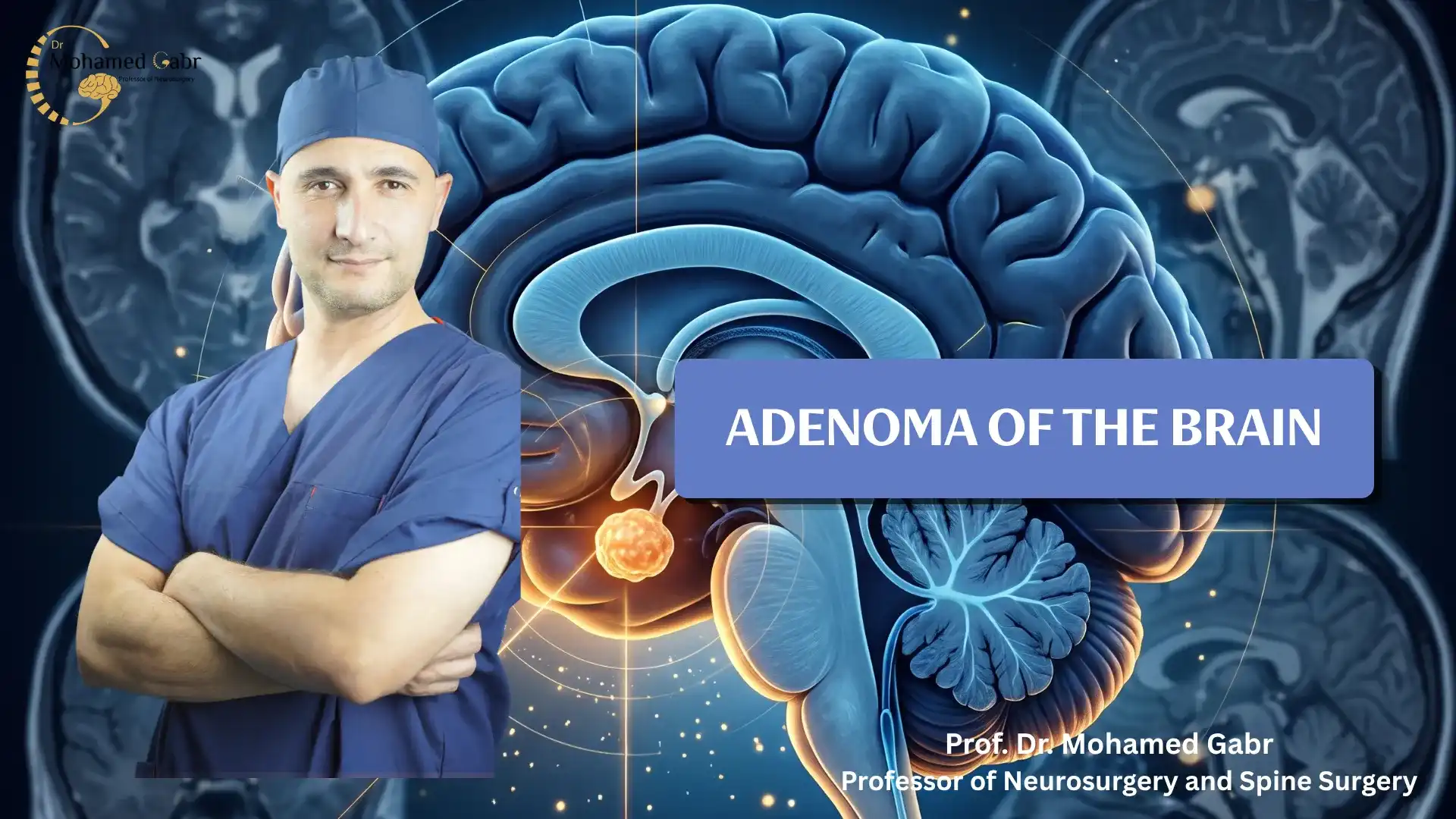
A pituitary adenoma develops from cells in the pituitary gland, which regulates growth, metabolism, reproduction, and other bodily functions through hormones.
Some adenomas produce excess hormones, while others cause problems by compressing surrounding structures near the pituitary gland.
Treatment may become necessary when adenomas affect vision or disrupt normal pituitary function and hormonal balance.
Is a Pituitary Adenoma Considered a Brain Tumor?
A pituitary adenoma originates in the pituitary gland rather than brain tissue itself, so it is often grouped with other types of brain tumors because it develops inside the skull.
However, its location near important nerves and blood vessels means it can affect surrounding structures and cause complications.
How Common Are Pituitary Adenomas?
Pituitary adenomas are relatively common, and some remain undetected because they cause no noticeable symptoms in affected individuals.
Doctors may discover these tumors during imaging tests performed for unrelated medical conditions or other diagnostic purposes.
Other patients develop visual changes, headaches, or hormonal disturbances that require further medical evaluation to identify the underlying cause.
Types of Pituitary Adenomas
Doctors classify pituitary adenomas independently according to size and hormonal activity. These classifications help guide diagnosis and treatment decisions.
Microadenomas vs. Macroadenomas (By Size)
Microadenomas measure less than 10 millimeters, whereas macroadenomas measure 10 millimeters or more and may compress nearby structures.
- Microadenomas: Smaller than 10 millimeters.
- Macroadenomas: 10 millimeters or larger.
Microadenomas may cause hormonal symptoms without compressing nearby structures or affecting surrounding nerves and tissues.
Macroadenomas are more likely to affect nearby nerves or pituitary tissue because of their larger size and potential growth.
However, tumor size alone does not determine treatment, as doctors also consider hormonal activity, symptoms, and tumor location.
Hormone-Secreting vs. Non-Secreting Adenomas
Functioning adenomas produce excess hormones, potentially disrupting normal bodily processes and causing various symptoms depending on the hormone involved.
Prolactinomas may cause menstrual irregularities, infertility, or reduced sexual function in affected patients, depending on hormone levels.
Excess growth hormone can cause acromegaly, while excess adrenocorticotropic hormone (ACTH) can lead to Cushing disease.
Non-functioning adenomas do not produce clinically significant excess hormones, although they may still affect normal pituitary function.
Symptoms of an Adenoma of the Brain
Symptoms vary according to tumor size, location, and hormonal activity, with some patients experiencing no noticeable symptoms initially.
Others may develop headaches, visual problems, or hormonal changes that require medical evaluation to identify the underlying cause.
Vision Problems and Headaches (Pressure Symptoms)
Larger adenomas may compress the optic chiasm, causing peripheral vision loss, blurred vision, or double vision in affected patients.
Headaches may occur, but they cannot confirm an adenoma or determine its severity without further medical evaluation.
Visual recovery after treatment partly depends on the severity and duration of pressure affecting the optic pathways.
A sudden, severe headache accompanied by visual changes, vomiting, confusion, or reduced consciousness requires immediate emergency medical assessment.
Pituitary apoplexy involves sudden bleeding or impaired blood supply within the pituitary gland or an existing tumor.
Hormonal Imbalance Symptoms in Men and Women
Symptoms vary depending on which hormone is affected and may include the following changes in normal bodily functions.
- Irregular or absent menstrual periods.
- Unexpected breast milk production.
- Reduced libido or erectile dysfunction.
- Difficulty conceiving.
- Enlargement of the hands and feet from excess growth hormone.
- Fatigue or weakness caused by deficient pituitary hormones.
Because other conditions can cause similar symptoms, specialist assessment and appropriate hormone testing are essential.
How Are Pituitary Adenomas Usually Diagnosed?
Diagnosis combines medical history, examination, laboratory testing, and imaging. Therefore, doctors may recommend the following tests to identify the tumor and assess its effects:
- Blood tests: These tests measure pituitary hormone levels, including prolactin, IGF-1, or cortisol, when clinically indicated.
- Pituitary MRI: This scan reveals tumor size, location, and proximity to surrounding structures, helping specialists plan appropriate management.
- Visual field testing: Additionally, this examination evaluates vision when the tumor may affect the optic pathways.
- Specialist assessment: An endocrinologist and neurosurgeon work together to determine the most appropriate management strategy for each patient.
Furthermore, additional blood or urine tests may be necessary to investigate suspected hormonal disorders and clarify the diagnosis when needed.
The Most Important Thing to Know About Pituitary Adenomas
Not every pituitary adenoma requires surgery. In fact, some tumors without significant symptoms or complications can be safely monitored.
During follow-up, regular MRI scans and hormone testing help doctors track tumor growth and identify changes requiring further treatment.
However, treatment may become necessary when a tumor grows, affects vision, causes significant hormonal abnormalities, or produces other complications.
Most importantly, sudden severe symptoms, including intense headaches or visual changes, require immediate emergency medical assessment to prevent serious complications.
Read also: acoustic neuromas schwannomas symptoms
Advanced Treatment Options for Pituitary Adenomas
Treatment options may include regular monitoring, medication, surgery, or radiation therapy for selected patients, depending on their clinical needs.
To select the best approach, doctors consider tumor characteristics, symptoms, hormonal activity, and the patient’s overall health.
Medication and Hormone Therapy
For example, prolactinomas commonly respond to dopamine agonists, including cabergoline or bromocriptine, which reduce prolactin levels and may shrink tumors.
Meanwhile, other patients may need medications to control excess hormone production or replace hormones that the pituitary gland cannot produce sufficiently.
For this reason, specialist supervision helps monitor treatment effectiveness, adjust doses when necessary, and manage potential side effects.
Endoscopic Transsphenoidal Surgery (Scarless Removal Through the Nose)
Endoscopic transsphenoidal surgery reaches the pituitary gland through the nose using a camera and specialized instruments.
As a result, this technique generally avoids external facial incisions and may relieve pressure on nearby visual structures while preserving healthy pituitary tissue.
For suitable patients, Dr. Mohamed Gabr performs endoscopic skull base and pituitary surgery using an approach tailored to individual tumor characteristics.
Nevertheless, surgical outcomes depend on tumor size, location, and extension. Potential complications include bleeding, infection, cerebrospinal fluid leakage, and hormonal deficiencies.
Radiation Therapy
In selected cases, radiation therapy may help control residual, recurrent, or difficult-to-treat tumors. However, most pituitary adenomas do not require radiation therapy.
Why Choose Dr. Mohamed Gabr for Pituitary Adenoma Surgery?
Treating pituitary adenomas requires precise surgical planning because the gland lies close to the optic nerves and major blood vessels.
Dr. Mohamed Gabr provides specialized care for patients requiring endoscopic skull base and pituitary surgery, focusing on tumor removal and function preservation.
- Endoscopic Transnasal Approach: Endoscopic transsphenoidal surgery removes selected pituitary adenomas through the nasal passages without requiring a visible external facial incision.
- Optic Chiasm Decompression and Vision: Relieving pressure on the optic chiasm may improve vision, depending on compression severity, duration, and ind ividual patient factors.
- Preservation of Healthy Pituitary Tissue: Careful microsurgical techniques aim to remove the adenoma while preserving normal pituitary tissue and supporting hormonal function.
- Recovery After Minimally Invasive Surgery: Endoscopic surgery may reduce surgical incision requirements and support recovery, although hospital stays and recovery times vary among patients.
Conclusion
An adenoma of the brain requires careful evaluation to assess hormonal effects, tumor size, and potential pressure on nearby structures.
Fortunately, early diagnosis and appropriate treatment can help manage symptoms, reduce complications, and improve outcomes for many patients.
Ultimately, treatment may include regular monitoring, medication, or endoscopic surgery under specialist medical supervision, depending on individual circumstances.
References
- Mayo Clinic – Pituitary Tumors and Adenomas
- Cleveland Clinic – Pituitary Adenomas
- Stanford Medicine – Pituitary Tumors
- Congress of Neurological Surgeons – Surgical Techniques and Technologies
- Congress of Neurological Surgeons – Primary Managemen.
Frequently Asked Questions (FAQ)
This section addresses common questions about pituitary adenoma symptoms, diagnosis, treatment options, and surgical recovery.
Is an adenoma of the brain cancerous?
Most pituitary adenomas are benign. However, they can cause complications through excess hormone production or pressure on nearby structures.
Can a pituitary adenoma affect vision?
Yes. When a tumor compresses the optic pathways, it can cause peripheral vision loss or other visual changes. However, recovery varies between patients.
Does every pituitary adenoma require surgery?
No. For example, some tumors can be monitored, while prolactinomas often respond to medication. Therefore, surgery is considered when clinically indicated.
Does endoscopic pituitary surgery leave a visible scar?
The endoscopic approach through the nose generally avoids an external facial incision. Nevertheless, recovery and potential complications vary between patients.