
An acute hemorrhage in brain is a medical emergency requiring rapid diagnosis and immediate treatment to reduce potentially serious neurological complications.
Recognizing warning signs promptly helps patients receive urgent medical care and appropriate intervention before further neurological damage develops.
However, recovery depends on bleeding severity, location, underlying cause, and the patient’s response to treatment and rehabilitation.
What Is an acute hemorrhage in brain?
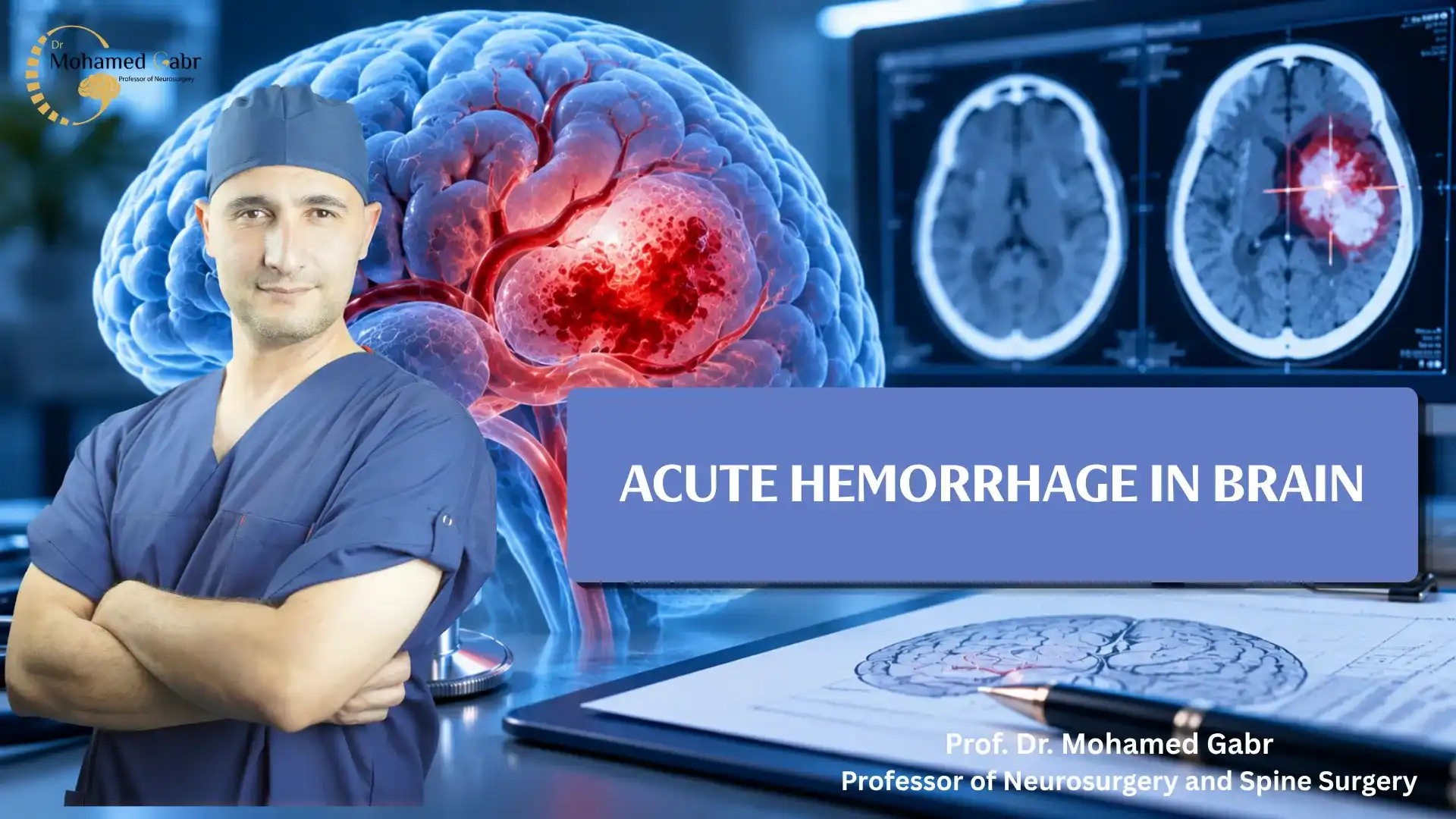
An intracranial hemorrhage occurs when damaged blood vessels leak or rupture, allowing blood to accumulate inside the skull.
Depending on its location, bleeding may affect brain tissue or surrounding spaces, potentially increasing pressure and damaging nearby structures.
In contrast, an ischemic stroke occurs when blood flow becomes obstructed, rather than when a blood vessel bleeds.
What Happens During a Brain Hemorrhage?
When a vessel ruptures, accumulated blood can compress surrounding structures and increase pressure within the skull, disrupting normal neurological function.
Additionally, bleeding can reduce oxygen delivery to nearby brain tissue, while swelling may contribute to further damage after the initial injury.
Consequently, rapid assessment is essential because neurological deterioration may occur before clinicians establish the precise cause of bleeding.
Causes of acute hemorrhage in brain & Who Is at Risk?
Several factors, including high blood pressure, head trauma, ruptured aneurysms, vascular malformations, and clotting disorders, can cause intracranial bleeding.
Furthermore, anticoagulant medications may increase bleeding risk, while older age, smoking, and certain underlying conditions can influence individual susceptibility.
Although some tumors can bleed, the phrase adenoma of the brain does not identify a specific diagnosis or establish bleeding risk.
Similarly, pineal gland adenoma is a distinct tumor category, not a typical cause of acute hemorrhage in brain.
The Types of Brain Bleeds
Intracerebral hemorrhage develops within brain tissue, whereas subarachnoid hemorrhage occurs in the space between the brain and surrounding membranes.
Meanwhile, subdural hemorrhage involves bleeding beneath the dura, whereas epidural hemorrhage develops between the dura and the inner skull surface.
Although these conditions all involve bleeding, their causes, clinical presentations, imaging findings, and recommended treatments can differ considerably.
Therefore, identifying the specific hemorrhage type helps clinicians select appropriate monitoring, investigations, and treatment according to each patient’s condition.
How Common Is an acute hemorrhage in brain? & Are Brain Bleeds Fatal?
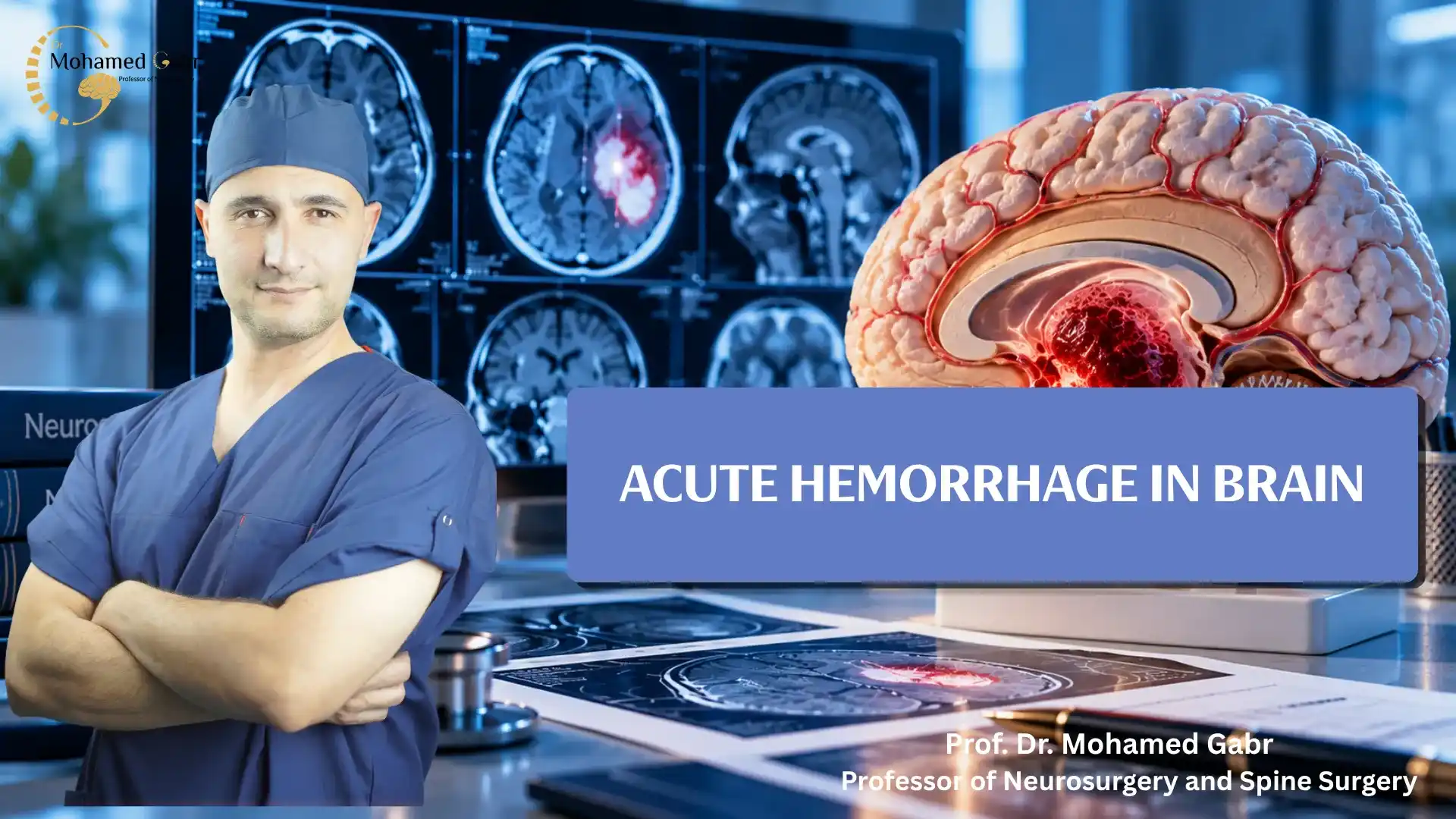
Intracranial bleeding includes several conditions, so its frequency depends on the hemorrhage type, underlying cause, population, and reporting method.
Spontaneous intracerebral hemorrhage accounts for a smaller proportion of strokes than ischemic stroke, but it often causes severe disability.
However, brain bleeds can be fatal, while outcomes vary according to hemorrhage size, location, neurological condition, age, and treatment timing.
Brain Bleed Symptoms
Symptoms may include sudden severe headache, weakness, facial drooping, difficulty speaking, confusion, vomiting, seizures, or reduced consciousness.
Additionally, some patients experience vision changes, impaired balance, or unusual drowsiness, depending on the affected structures and bleeding severity.
The phrase acoustic neuromas schwannomas symptoms concerns different neurological conditions; therefore, it should not be mistaken for hemorrhage symptoms.
Most importantly, call emergency services immediately if warning signs develop suddenly; never wait for symptoms to disappear or attempt self-diagnosis.
Complications of Brain Hemorrhages & Brain Bleeds
Possible complications include persistent weakness, speech difficulties, memory problems, seizures, hydrocephalus, and impaired independence during everyday activities.
In severe cases, bleeding can raise intracranial pressure, compress essential structures, and sometimes threaten breathing or consciousness.
By contrast, the phrase brain cancer on brain stem refers to a separate diagnostic topic and cannot establish why bleeding occurred.
Recovery may involve rehabilitation for movement, speech, memory, or daily activities, depending on the injury and complications.
Can Brain Hemorrhages Be Prevented?
Although not every hemorrhage can be prevented, managing high blood pressure can reduce an important modifiable risk factor.
Additionally, avoiding tobacco, using protective equipment, and following prescribed medication instructions may reduce certain preventable risks when appropriate.
Meanwhile, people taking blood thinners should discuss bleeding risks with clinicians and never stop prescribed medication without medical guidance.
Brain Hemorrhage Treatment: Emergency Medical Care & Surgical Evacuation
An acute hemorrhage in brain requires emergency assessment, stabilization, neurological examination, and imaging to establish the bleeding’s location and severity.
Initially, a noncontrast computed tomography scan, commonly called CT, can quickly identify acute bleeding and guide urgent clinical decisions.
Depending on the findings, treatment may include blood pressure management, reversal of certain anticoagulants, intracranial pressure control, and intensive monitoring.
Additional imaging or laboratory tests may help clinicians identify the underlying cause and determine whether further intervention is necessary.
In selected cases, neurosurgeons may recommend hematoma evacuation or another procedure when bleeding causes dangerous pressure, hydrocephalus, or treatable complications.
However, surgery is not necessary for every patient; decisions depend on hemorrhage type, clinical findings, imaging, and individual risks.
Why Choose Dr. Mohamed Gabr for Emergency Brain Hemorrhage Surgery?
Managing an acute hemorrhage in brain demands immediate emergency response and decisive surgical judgment during the critical first hours to save the patient’s life and prevent irreversible neurological damage.
Dr. Mohamed Gabr brings elite microsurgical expertise and rapid readiness in handling critical neurosurgical emergencies, delivering life-saving outcomes through:
-
Rapid Emergency Response & Clinical Assessment
Fast evaluation of CT scans and patient status to determine the precise window for intervention (“Time is Brain”), halting hematoma expansion before secondary brainstem compression occurs.
-
Precision Microsurgical Hematoma Evacuation
Utilizing state-of-the-art surgical microscopes and 3D Neuronavigation to meticulously clear the blood clot and secure bleeding vessels with minimal disruption to surrounding healthy brain tissue.
-
Comprehensive Intensive Care & Recovery Protocols
Implementing strict neuro-ICU management to control intracranial pressure and blood pressure, minimizing post-operative complications and maximizing the patient’s chances of full recovery.
FAQ About Acute Hemorrhage in Brain
This FAQ about acute hemorrhage in brain answers common questions about warning signs, emergency treatment, surgical options, and recovery.
What is the first sign of a brain hemorrhage?
A sudden, severe headache may occur; however, symptoms vary, and any sudden neurological change requires immediate emergency medical assessment.
Does every brain hemorrhage require surgery?
No. Some patients receive medical management and close monitoring, whereas selected cases require surgery or another neurosurgical intervention.
How do doctors diagnose a brain hemorrhage?
Doctors usually begin with urgent CT imaging and neurological assessment; additionally, other tests may help identify the bleeding source.
How long does recovery take after a brain hemorrhage?
Recovery varies considerably with injury severity, complications, general health, and rehabilitation needs; consequently, some patients require months of support.
Conclusion
Ultimately, an acute hemorrhage in brain is a potentially life-threatening emergency requiring rapid diagnosis, individualized treatment, and careful neurological monitoring.
Therefore, recognizing warning signs and seeking emergency assistance promptly can support timely care, although outcomes depend on each patient’s circumstances.
Medical Sources
- Cleveland Clinic — Brain Bleed (Intracranial Hemorrhage)
- NCBI Bookshelf — Intracranial Hemorrhage
- American Heart Association/American Stroke Association — Guidelines for Spontaneous Intracerebral Hemorrhage
- Emergency Medicine Society of Canada — An Emergency Medicine Approach to Acute Brain Bleeds
- Radiopaedia — Intracranial Hemorrhage