Brain tumor stages and symptoms vary according to tumor type, location, growth rate, and the brain functions affected.
Unlike many cancers, primary brain tumors are generally classified by type and grade rather than conventional cancer stages.
This guide explains tumor grades, warning signs, diagnostic methods, treatment options, and factors that influence prognosis and follow-up.
What Is a Brain Tumor?
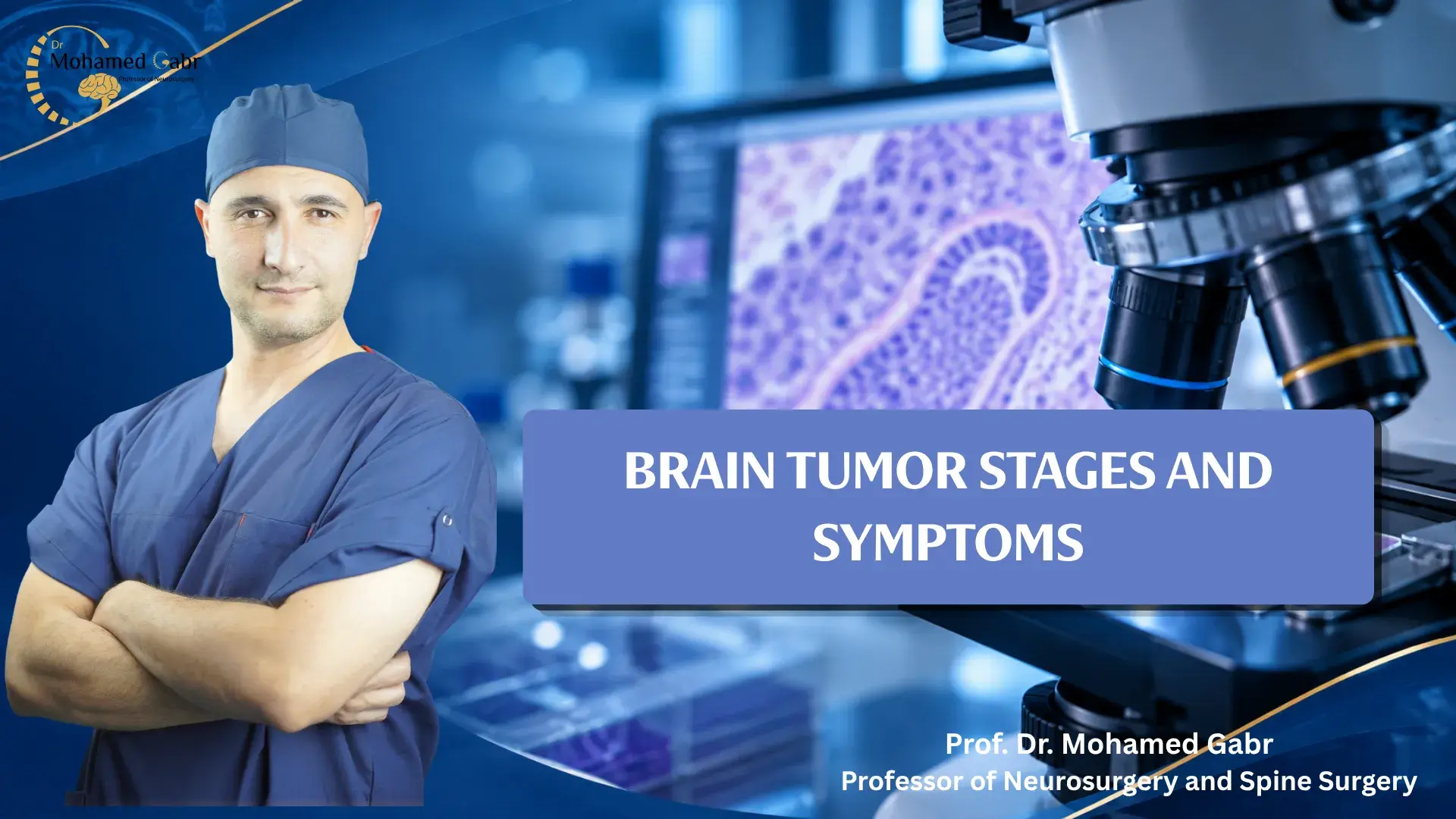
A brain tumor develops when abnormal cells grow within the brain or nearby structures and interfere with normal function.
Some tumors are benign, while others are malignant; either type may cause problems by pressing against important brain structures.
Symptoms depend on tumor location, size, growth, and surrounding swelling, so they cannot confirm a diagnosis independently.
Stages of Brain Tumor vs. Brain cancer grades
| Feature | Cancer Stage | Tumor Grade |
| Definition | Describes the extent to which cancer has spread within the body. | Describes the microscopic and biological characteristics of tumor cells. |
| Application to Primary Brain Tumors | Primary brain tumors generally do not follow the conventional staging systems used for many other cancers. | Grading is important for classifying primary brain tumors and assessing their biological behavior. |
| Brain Metastases | Indicates the spread of cancer from its original site to the brain and potentially other organs. | The grade is generally based on the characteristics of the original tumor, although the metastatic tumor may show additional features. |
How many grades does brain cancer have?
Many central nervous system tumors use grades I through IV, although grading systems vary according to tumor type.
Doctors determine classification using tissue characteristics and relevant molecular findings, rather than symptoms or imaging results alone.
Grade I and Grade II Brain Tumors
Grade I tumors often grow slowly and may sometimes be completely removed when surgery is safe and appropriate.
Grade II tumors may also grow slowly, but they can infiltrate nearby tissue, recur, or develop more aggressive features.
Grade III and Grade IV Brain Tumors
Grades III and IV generally show more aggressive biological behavior, although their characteristics depend on the specific diagnosis.
Prognosis also depends on molecular findings, tumor location, remaining tumor after surgery, age, general health, and treatment response.
brain tumor stages and symptoms
Symptoms may develop gradually or suddenly, but their severity cannot reliably establish a tumor’s grade or type.
Persistent or worsening neurological changes warrant medical assessment, particularly when they interfere with daily activities or appear together.
Early-Stage Brain Tumor Symptoms
Possible symptoms include recurring headaches, seizures, vision changes, balance difficulties, nausea, or unexplained vomiting without another clear cause.
Some people experience memory difficulties, reduced concentration, personality changes, muscle weakness, or problems coordinating their body movements.
These symptoms can result from many conditions, so professional evaluation is necessary instead of assuming a brain tumor.
Advanced-Stage Brain Tumor Symptoms
Some tumors cause worsening weakness, speech difficulties, confusion, repeated seizures, or increasing coordination problems as neurological function changes.
However, these symptoms do not establish whether a tumor is low-grade or high-grade; appropriate clinical assessment remains necessary.
Seek emergency care for a first seizure, sudden weakness, new speech difficulty, abrupt confusion, or a sudden severe headache.
Understanding the Brain Tumor Progression Path
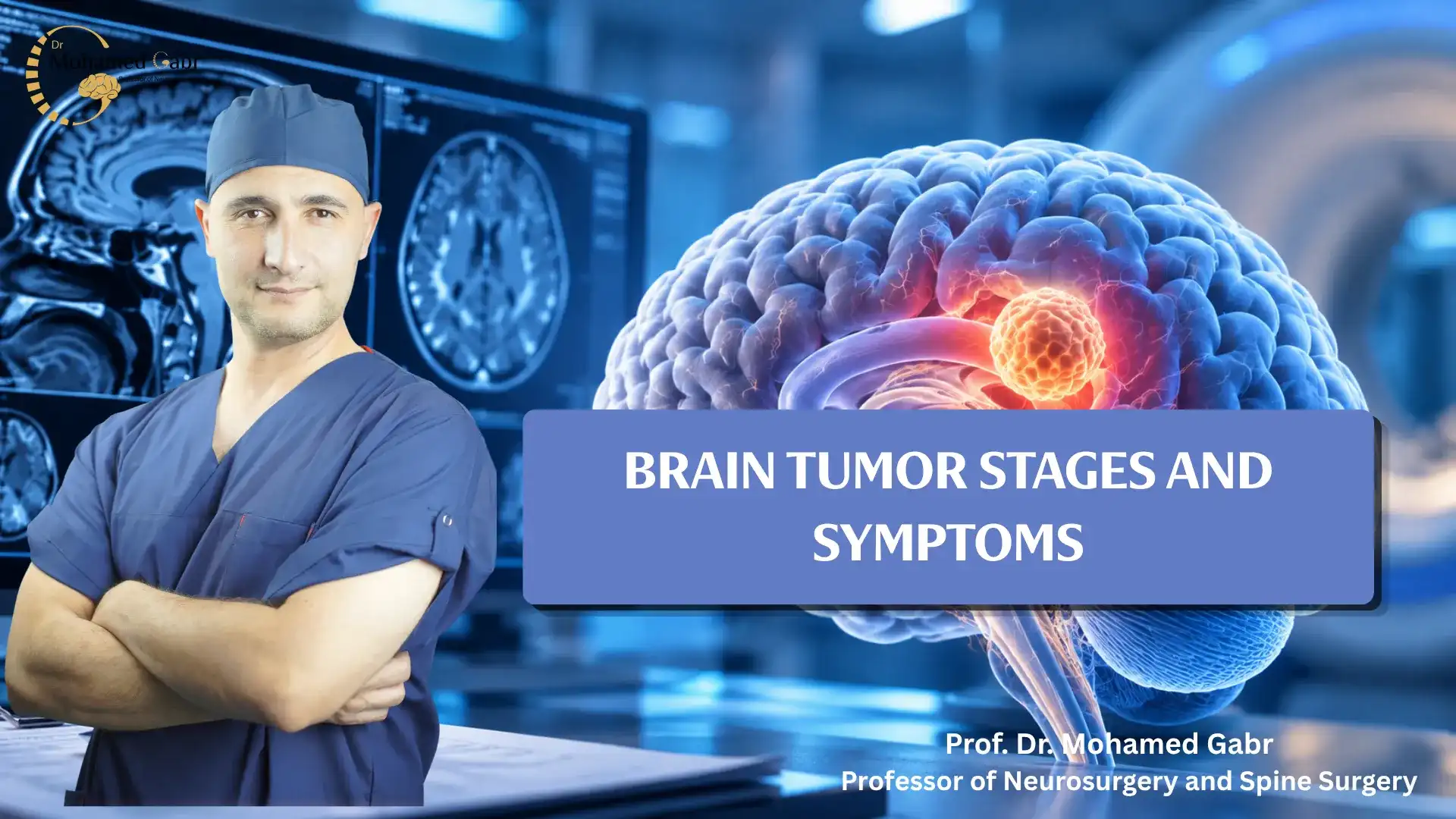
Progression describes changes over time, including tumor growth, recurrence after treatment, or changes toward more aggressive biological characteristics.
These patterns vary by diagnosis, so doctors interpret symptoms, examination findings, and imaging results together when assessing progression.
Regular follow-up helps specialists detect changes and determine whether continued monitoring or additional treatment should be considered.
How Fast Do Brain Tumors Grow?
Growth rates differ substantially according to tumor type, grade, and biological characteristics, making individual growth predictions difficult.
Some tumors remain relatively stable for years, while others enlarge rapidly and affect surrounding brain structures over time.
Doctors compare MRI scans taken at different times to assess changes in tumor size and nearby tissues.
A single scan shows the tumor’s appearance at that moment, but cannot reliably establish its growth rate.
Assessing brain tumors: Accurate Diagnosis & MRI
Assessment may include medical history, neurological examination, MRI or CT imaging, and additional investigations when clinically indicated.
MRI helps identify tumor location, size, surrounding swelling, and nearby structures, but may not establish the exact tumor type.
A biopsy or tissue collected during surgery may undergo laboratory examination to establish tumor classification and relevant molecular features.
Not every tumor requires biopsy; specialists consider the diagnosis, location, potential risks, and whether tissue sampling is appropriate.
These findings help specialists distinguish possible diagnoses and select suitable treatment or monitoring plans for individual patients.
Read also: brain stem glioma causes
Surgical & Medical Treatment Options by Brain Tumor Stage
Treatment depends on diagnosis, grade, location, symptoms, molecular findings, surgical risks, and the patient’s overall health status.
Options may include active monitoring, surgery, radiation therapy, chemotherapy, targeted medicines, or combinations recommended by treating specialists.
Surgery may obtain diagnostic tissue, relieve pressure, or remove as much tumor as safely possible when appropriate.
Some patients receive additional treatment after surgery, while selected slow-growing tumors may be monitored with scheduled examinations and imaging.
The treatment plan depends on the specific diagnosis; no single approach is suitable for every brain tumor.
Read also: benign brain tumor symptoms in women
Brain cancer survival rate: How Precision Surgery Makes a Difference
Survival varies by tumor type, molecular profile, age, overall health, treatment response, and the amount of remaining tumor.
Surgical planning may use advanced imaging and functional monitoring to help identify critical structures and reduce neurological risks.
However, no surgical technique guarantees a cure or prevents every recurrence, and individual outcomes cannot be predicted from technology alone.
Patients should discuss prognosis, potential benefits, complications, and follow-up requirements with a specialist familiar with their diagnosis.
Survival statistics describe groups of patients and cannot predict exactly how an individual will respond to treatment.
Read also: brain tumor symptoms in adults
Why Choose Dr. Mohamed Gabr for Brain Tumor Surgery?
Accurately assessing a brain tumor’s grade and growth rate from day one is the most critical factor in maximizing survival rates and halting tumor progression. Dr. Mohamed Gabr brings extensive microsurgical expertise in treating all grades of brain and skull base tumors (Grades I through IV), delivering the highest standards of surgical safety and patient outcomes through:
- Halting the Brain Tumor Progression Path via Complete Resection: For slow-growing Grade I and II tumors, Dr. Mohamed Gabr utilizes advanced surgical microscopes and neuro-endoscopy to achieve total tumor removal, curing the patient and preventing the tumor from recurring or transforming into a higher grade.
- Maximal Safe Resection to Boost Brain Cancer Survival Rate: For fast-growing Grade III and IV tumors, 3D Neuronavigation and continuous Intraoperative Neuro-Monitoring are employed to safely remove the maximum possible tumor volume without harming vital motor, speech, or visual centers—proven to be the single most important surgical factor in improving survival and post-op recovery.
- Precision in Assessing Brain Tumors & Stereotactic Biopsy: Safely obtaining tissue samples from deep-seated lesions using navigation guidance to determine the exact histological grade and molecular profile with 100% accuracy, ensuring a tailored, evidence-based treatment plan.
Conclusion
Brain tumor stages and symptoms can help readers recognize possible warning signs, but symptoms alone cannot establish tumor type or grade.
Primary brain tumors are generally classified by tumor type and grade, while diagnosis may require imaging, tissue analysis, and molecular testing.
Treatment decisions depend on individual findings, and regular follow-up helps specialists monitor changes and adjust care when necessary.
Patients should seek qualified medical advice to understand their diagnosis, treatment options, potential risks, and expected follow-up.
Sources
- https://www.cancer.gov/types/brain/patient/adult-brain-treatment-pdq
- https://www.cancer.gov/types/brain/hp/adult-brain-treatment-pdq
- https://www.mayoclinic.org/diseases-conditions/brain-tumor/diagnosis-treatment/drc-20350088
- https://www.mayoclinic.org/diseases-conditions/brain-tumor/symptoms-causes/syc-20350084
- https://braintumor.org/brain-tumors/diagnosis-treatment/signs-symptoms/
- https://whobluebooks.iarc.who.int/structures/central-nervous-system-tumours/
FAQ
Brain tumor FAQs explain common questions about symptoms, diagnosis, grading, treatment options, prognosis, and when patients should seek medical care.
Can symptoms reveal a brain tumor’s grade?
No. Symptoms may indicate neurological problems, but grading requires appropriate diagnostic assessment and sometimes examination of tumor tissue. (17 words)
Does every brain tumor require surgery?
No. Depending on diagnosis and risk, some tumors are monitored, while others require surgery, radiation, medication, or combined treatment.
Can a benign brain tumor still be dangerous?
Yes. A noncancerous tumor can press on vital structures, disrupt brain function, and require treatment because of its location.
When should someone seek urgent medical care?
Seek emergency care for a first seizure, sudden weakness, new speech problems, abrupt confusion, or a sudden severe headache.